Wine blending matters more than most people think.
By Ken Abbott, Woodinville Winery Services
You are proud of your wine. You look forward to sharing that wine with your customers. Are you ready to wow consumers with your wine flavors? Blending is the key, and it should not be taken lightly. When it is time for your winery to put the blends together and come up with a bottling plan, prepare to take it very seriously. How do you approach the blending? How do you plan? Often,
winemakers do not know how to plan or map out the blending as they should.
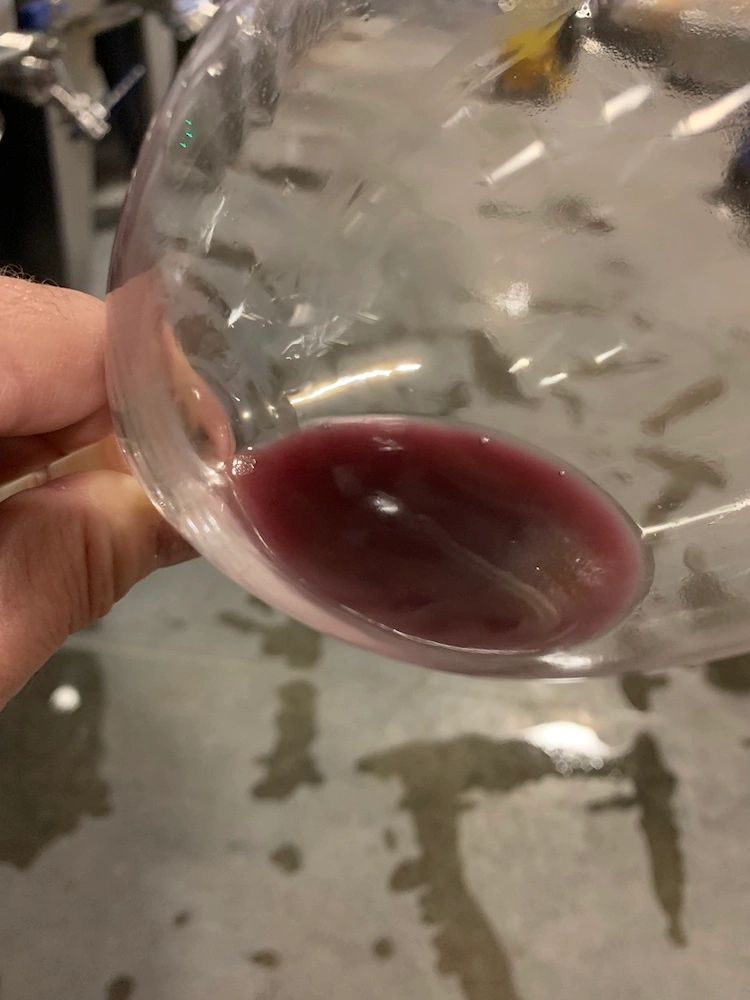
The right blend could drastically affect the flavor, the marketing, and the overall reception of the wine. Blending matters.
Figuring out the right number of wine varietals and the final percentage in each wine can be tough. Those components are affected by so many different factors that are out of your control. Mother nature changes the harvest every year along with the flavors. Other factors include the PH levels, acid levels, density, sugar content, tannin, hang-time, overall production size, and so much more. Other aspects such as tank time, cap size, timing of harvest, and fermentation time, are things that take place during production that are also hard to control completely. Hopefully, the barrel program you came up with before the harvest will match the harvest flavors you expected, but they never seem to be perfect. As a result, we must make a lot of game-time decisions on barrels, aging, additives, etc. to get the wine where we want it. It can feel nearly impossible to make a consistent quality product that will be recognized from year to year. The reality that bubbles to the surface, is that you cannot make a quality wine that is a consistent style every year, unless you are inconsistent on how you make the wine. To produce a wine every year that has a string of familiarity that is true to your style, you need to adjust every year. Using the exact same methodology each year could result in drastically different wines because the harvest flavors are so different. You want the wine to have your style while highlighting the great things about that year’s harvest. The only way to tame the multitude of variations, is to blend in a way that creates continuity in your wines while addressing what the winery requires for product offerings. This is not an easy task.
The questions asked prior to melding the different varietals together are many. What wine are we known for? What wine is the most important? Which wine should you start with? How many cases of each do you want? Single varietal or planned blend? Which barrels of the same wine lot will go to specific blends. Should the wine come from new barrels, neutral barrels, heavy toasted barrels, medium toasted barrels, or a tank? Perhaps the most important query is, what combination gives me the best flavor I can possibly get for each wine or blend? These are all essential questions from which the answers can help guide you down the right path.
The goal here is formulate a composite wine that is better than the individual varietal parts. Acidity, structure, depth, freshness, tannins, and fruit flavors will be better in some wine lots over others. Blending can help balance those characteristics, add layers of flavor with more complexity, while highlighting your favorite parts. Occasionally, you get a fantastic single varietal wine that can stand alone. Nevertheless, single varietal wines can still see improvement from blending. Adding a varietal that “salts the steak” can make those wine shine. If it remains a single varietal wine, or even a single-vineyard varietal wine, blending occurs from new barrels, neutral barrels, toast, yeast, or malolactic differences. The importance of blending remains. The consumer will always favor the wine that tastes better, no matter if it holds the distinction of single-vineyard varietal wine or not. We winemakers love the brag of our stand-alone wines, but we need to remember to consider the overall taste first. Steps to consider are the set-up, monitoring, pre-blend tasting, the plan, and the final blending.
The Set-Up during harvest and fermentation
Let’s set it up. First and foremost, when in the middle of harvest, start thinking about blending 12-24 months down the road. Each of the single varietal wines will be in separate lots for fermentation whether in tank or bin. There will be differences when you go to press those lots as well. Some will be lighter press or heavy press. Prep your lots for better blending. Keep your varietals separate and consider carefully whether you should keep some press(heavy press) lots separate from your free run(light press) when you go to barrel. You will probably find that press-lots age differently, and they offer a great way to give yourself more options. Mix the barrels in an appropriate way to give yourself good choices in different toasts, cooperages, new and neutral. Personally, I believe in avoiding blending any varietals in fermentation lots or up front in the barrel. Keeping them separate gives you more flexibility 12-24 months down the road. Obviously, elements such as the space available in tanks or bins, or personal preferences need to be considered, but having more flexibility is the goal of keeping lots separate.
Monitoring Progress
After you finish with primary and malolactic ferments, start monitoring flavors from the barrel. Red wines can go through entire cycles of flavor that change, come-out, and then hide again, which is one reason to not blend too early. Allow those barrels to do their work. It is possible that some lots you thought were flat, will burst with flavor later in the process. Note the different flavors that surface during the aging process. After 10-12 months, those barrels will have been tasted many times. You can start to formulate what wines might enhance another at this stage as you keep track of the major notes of each barrel lot. Keeping track by memory is easy for some, but for me, taking notes on my computer worked best. Keep a running file of changes and comments as you taste throughout the aging cycle. Now is a good time to make barrel adjustments if needed, especially if you are noticing things like too much oak tannin from new oak or another wine might need some bulking up with new oak. By the time you get to the blending stage, you should have an intimate familiarity with each lot of wine and how they have trended.
The Final Taste Prior to Blending
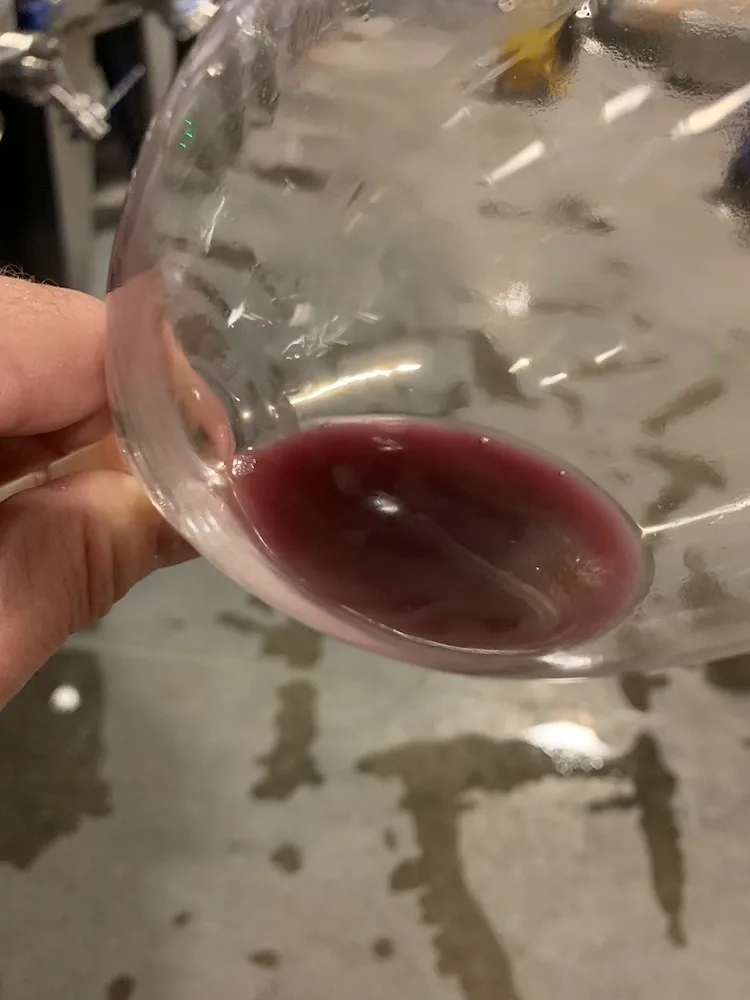
Now is the time to taste each barrel or barrel lot and take copious notes of the flavors you can identify. This may be hard for some winemakers to hear, but the power of the team starts here. Even the best winemaker in the business cannot identify every characteristic in each wine. Do not be afraid to bring in 2-3 trusted palates to start taking their own notes. A blending team will always out-perform the individual. These people can be other winemakers, assistant winemakers, consultants, friends with fantastic palates, or anyone else you trust to give real feedback in an honest and up-front way. Listen to each other, adjust, and talk some more. Take your time with this process and do not immediately go to blending. Let your thoughts and notes sit and marinate before commencing blend trials. A little time can bring more clarity.
The Pre-Blend Plan
Now, you have pondered the flavors and taken great notes. Prepare for blending by staking out the wines you want to be the most important. Which wines are needed for the portfolio? How much of each is ideal? Give yourself a range of quantity for each wine that is acceptable and allows for your artistic touch in blending. Which wine will you start with? Some blends will undoubtably take precedence since they are your signature wine, your favorite project, or a highlighted offering. Document everything and put together an initial plan for where you think the blends will start. Design it so that there is a planned blend to start with for each wine you plan to offer in the end. Keep in mind that these blends can and probably will be adjusted but have a concept of percentages to launch with.
The Blend
The day has arrived, and you are walking into blending with a plan. Start with your basis and compare it to each blend. Did it improve the overall flavor? Is it consistent with past wines? Adjust your percentages from your initial ideas until you have a blend that is superior to any other. Keep the team involved and listen to everybody. More voices are better than one. Take votes. Argue. Give and take suggestions. The prep you took prior to blending will reap rewards in time saving and direction. Often, the composition created during planning turns out to be the best. Sometimes one acid will cancel out another and you must adjust. Do not rush through this process. Be thoughtful and thorough.
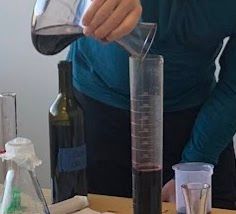
Now you have created a group of wines in which the sum is greater than all the individual parts. The blends shine and you can move to your bottling plan. Take a breath and get excited about what you have just completed. Soon you will get to share the final product and speak intelligently about why you did what you did. Remember that everything you do is also marketing. There is no need to be mysterious and not share info. Proudly recall the details to your staff and club members. They will relish the details of how this fantastic wine came about and spread the good word. Start talking about the wines and when they will be released. Appreciate the process. Learn and take note of the vintage to help develop the next year of blending. This is the part of the work that people dream of being good at. Making wine and seeing people enjoy it can be one of the most rewarding accomplishments of a winemaker. Always remember that blending matters.
If you enjoyed this blog, share it with a friend or subscribe to receive more on the bottom of the home page at woodinvillewineryservices.com.